Yes, you can often still get dental implants even with a weakened immune system but it requires extra care and planning. Your immune health plays a big role in how well your body heals after the procedure. If you are considering dental implants in Elgin, speaking with a dental professional first is the most important step.
Why Does the Immune System Matter for Implants?
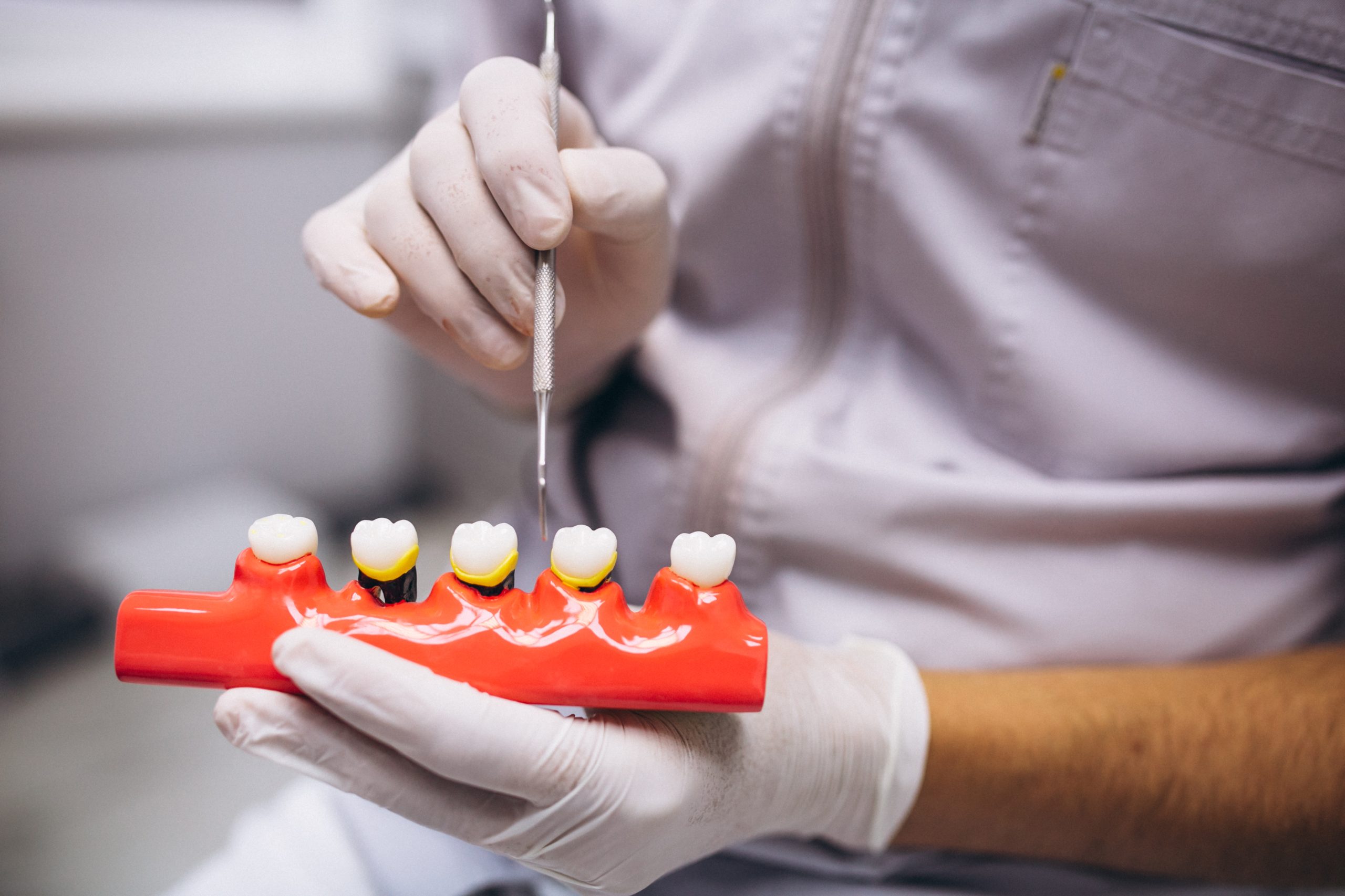
A dental implant is a small titanium post placed into your jawbone. Your body needs to heal around it a process called osseointegration.
When your immune system is weak, healing slows down. The risk of infection also goes up. This does not automatically mean implants are off the table. It just means more care is needed before, during, and after the procedure.
What Conditions Can Affect Implant Success?
Several health conditions can affect how well your body accepts an implant.
These include:
- Diabetes — uncontrolled blood sugar slows healing
- HIV or AIDS affects the body’s ability to fight infection
- Autoimmune disorders — conditions such as lupus or rheumatoid arthritis
- Cancer treatment—chemotherapy and radiation weaken immunity
- Long-term steroid use reduces the body’s healing response
- Organ transplant medications — these suppress the immune system on purpose
Having one of these conditions does not mean you cannot get implants. It means your dentist needs to know about them.
What Steps Help Make Implants Safer?
A good dental team will take precautions to protect you.
Here is what that process usually looks like:
- Full medical review — your dentist checks your health history in detail
- Coordination with your doctor — your dentist, and your physician may work together
- Infection control measures — antibiotics may be prescribed before and after
- Slower healing timeline — more check-ups and longer recovery periods
- Bone and gum health check—healthy bone is needed to support the implant
A dentist near you with experience in medically complex cases can walk you through every step and help you decide if implants are right for your situation.
Are There Times When Implants Should Wait?
Yes, sometimes timing matters a lot.
If your immune system is currently under heavy stress for example, during active chemotherapy it may be safer to wait. Once your health stabilizes, the chances of success improve significantly.
Your dentist will help you find the right window for treatment.
What About the Cost?
The dental implant costs can vary depending on your health needs, the number of implants, and additional procedures like bone grafting.
Here is a general overview:
| Treatment Type | Approximate Cost |
| Single Implant | $1,500 – $3,500 |
| Implant + Crown | $3,000 – $5,000 |
| Bone Grafting (if needed) | $500 – $3,000 |
| Full Arch Implants | $15,000 – $30,000+ |
For patients with immune-related conditions, extra procedures may add to the total. However, affordable tooth replacement options like payment plans or dental financing can make treatment more accessible.
Your Smile Still Has Options
Having a weakened immune system makes implant planning more involved but not impossible. With the right dental team, proper preparation, and medical coordination, many patients go on to have successful implants.
At Randall Meadows Dental Center, the team understands that every patient comes with a unique health story. They take a careful, personalized approach to implant planning especially for patients with complex medical backgrounds.
If you have been wondering whether an implant is possible for you, a consultation is the best place to start. Book an appointment today to discuss your options, evaluate your oral health, and receive a personalized treatment plan designed to restore your smile with confidence.
FAQs
Q1. Does smoking affect the success of implants in immunocompromised patients?
Indeed, smoking can impede healing and greatly increase the risk of infection.
Q2. Are mini implants a safer option for delicate immune systems?
In some cases, mini implants involve less surgery and may carry a lower risk.
Q3. How long does implant healing take for immunocompromised patients?
Healing can take several months longer than the typical 3–6 month timeline.
Q4. Can medications for immune conditions be paused before implant surgery?
Only your physician can decide that; never stop medications without medical advice.