Small chips, gaps, discoloration, and uneven teeth can affect the appearance of your smile. Dental bonding in Elgin can address several of these concerns by adding tooth-colored material to the surface of a tooth. Veneers offer another cosmetic option and may be better suited for certain changes.
Both treatments can improve the appearance of your teeth, but they work in different ways. Understanding the differences can help you discuss your goals and options with your dentist.
What Is Dental Bonding?
Dental bonding uses a tooth-colored resin that is applied directly to the tooth. Your dentist shapes the material to improve the tooth’s appearance and then hardens it with a special light.
Bonding may be used to address:
- Small chips or cracks
- Minor gaps between teeth
- Slightly uneven tooth shapes
- Mild discoloration
- Worn or damaged edges
The treatment usually requires little or no removal of natural tooth structure. It can also often be completed in a single appointment.
What Are Dental Veneers?
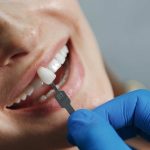
Veneers are thin shells that are placed over the front surfaces of teeth. They are custom-made to improve the shape, color, size, or overall appearance of the teeth.
Veneers may be considered for:
- More noticeable discoloration
- Uneven or irregularly shaped teeth
- Several cosmetic concerns at once
- Minor spacing issues
- Worn or chipped teeth
Because veneers cover the visible surface of a tooth, they can create a more consistent appearance across several teeth.
How Are Bonding and Veneers Different?
While both treatments can improve your smile, there are several differences to consider.
Key differences include:
- Bonding uses composite resin, while veneers use a thin shell material
- Bonding is applied directly to the tooth, while veneers are placed over the front surface
- Bonding usually requires less tooth preparation
- Veneers may provide a more uniform appearance across multiple teeth
- Bonding is often completed in one visit
- Veneers typically require more planning and treatment time
Your dentist can help determine which option fits your teeth and cosmetic goals.
Which Option Is More Durable?
Both bonding and veneers can last for years with proper care. However, their longevity can vary based on your oral hygiene, bite, eating habits, and daily activities.
Bonding can be more likely to chip or wear when exposed to heavy pressure. Veneers are also not indestructible and can be damaged by excessive force.
Protecting your teeth and following your dentist’s recommendations can help maintain either restoration.
Which Treatment Looks More Natural?
Both options can be designed to match your natural teeth. Bonding is shaped directly on the tooth, allowing your dentist to match the color and contour of the surrounding teeth.
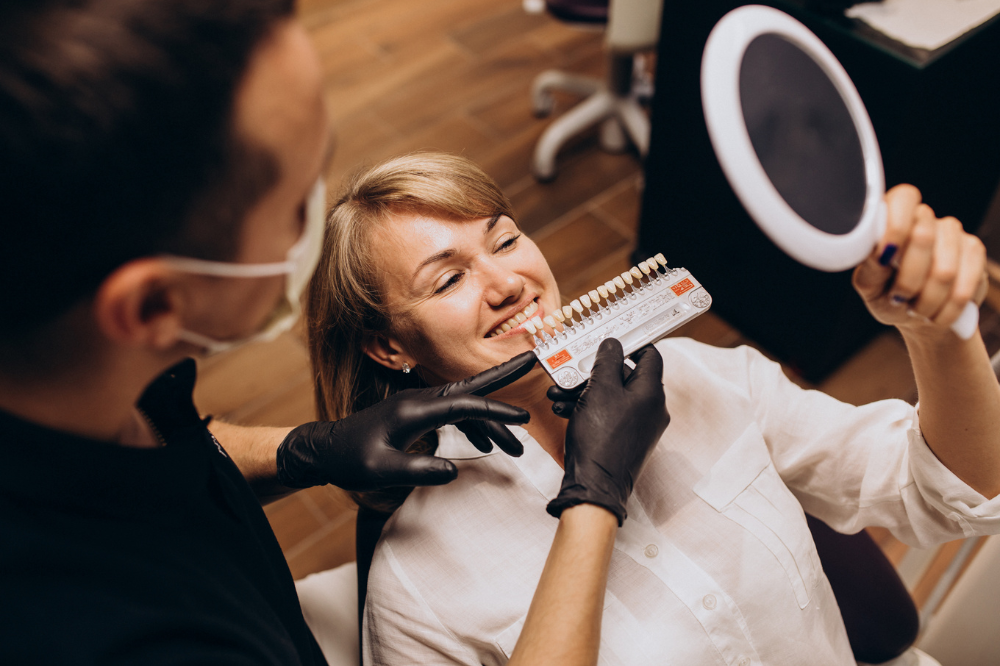
Veneers are custom-made before they are placed. They can be designed to create a consistent shape and shade across multiple teeth. The final appearance depends on the material, treatment plan, and skill used during placement.
How Do You Choose Between Bonding and Veneers?
Your choice should depend on the changes you want to make and the condition of your teeth. A dentist near you can evaluate your smile and explain which treatment may provide the results you want.
Consider factors such as:
- The type of cosmetic concern you want to address
- The number of teeth you want to improve
- How much tooth preparation you prefer
- The condition of your teeth and gums
A consultation can help you compare the options based on your individual needs rather than choosing one based only on appearance.
Caring for Your Cosmetic Treatment
Good oral care is important after either treatment. Bonding and veneers do not replace the need for regular brushing, flossing, and dental visits.
Helpful habits include:
- Brush twice a day
- Clean between your teeth daily
- Avoid biting hard objects
- Keep regular dental appointments
If you notice a chip, crack, sensitivity, or change in your restoration, let your dental team know.
When Should You Consider Cosmetic Dental Treatment?
If you are unhappy with chips, gaps, discoloration, or uneven teeth, a cosmetic consultation may help you understand your options. Dental veneers near you may be worth considering if you want to improve the appearance of several teeth, while bonding may be suitable for smaller or more localized concerns.
The right treatment depends on your smile goals, oral health, and the amount of change you want to make.
Achieve a Smile You Feel Good About
Randall Meadows Dental Center provides personalized dental care to help you explore cosmetic treatment options that fit your smile goals. Schedule an appointment with us to discuss your smile and treatment options.
Frequently Asked Questions
Is dental bonding better than veneers?
Neither option is right for everyone. Bonding may work well for small cosmetic changes, while veneers may be better for larger or multiple concerns.
Does dental bonding damage natural teeth?
Dental bonding usually requires little or no removal of natural tooth structure. Your dentist can explain how your teeth will be prepared.
How long does dental bonding last?
Dental bonding can last for several years with proper care. How long it lasts depends on your oral hygiene, bite, and daily habits.
Can veneers fix chipped teeth?
Yes, veneers can improve the look of some chipped teeth. Your dentist can check your teeth and recommend whether veneers are a good option for you.