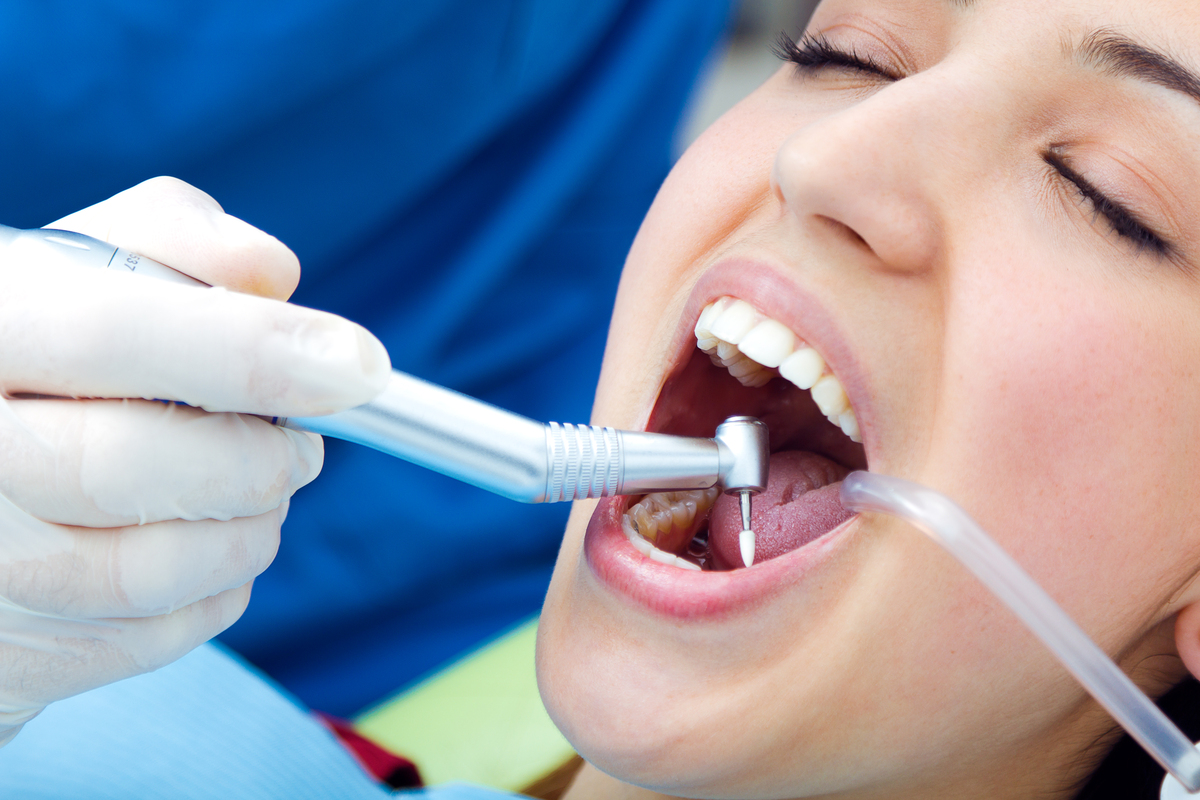
Healthy gums play an important role in keeping your smile healthy, but the early signs of gum disease are often easy to miss. When treated early, the condition can usually be reversed before it causes lasting damage. Periodontal therapy in Elgin helps remove harmful bacteria, reduce inflammation, and support the natural healing of your gums. Recognizing the warning signs and seeking treatment promptly can help protect your teeth, gums, and overall oral health.
What Is Early-Stage Gum Disease?
Early-stage gum disease, also called gingivitis, is the mildest form of gum disease. It develops when plaque builds up around the gumline, allowing bacteria to irritate the surrounding tissues.
Common signs include:
- Red or swollen gums
- Bleeding while brushing or flossing
- Persistent bad breath
- Tender gums
- Mild gum sensitivity
At this stage, the infection affects only the gums and has not yet damaged the bone supporting your teeth. With prompt treatment and good oral hygiene, the condition is often reversible.
Why Does Gum Disease Develop?
Plaque naturally forms on your teeth every day. When it isn’t removed through regular brushing, flossing, and professional cleanings, it hardens into tartar. Tartar traps bacteria below the gumline, making it difficult to clean at home.
Several factors may increase the risk of gum disease, including:
- Poor oral hygiene
- Smoking or tobacco use
- Diabetes
- Hormonal changes
- Certain medications
- Family history of gum disease
Regular visits to a dentist in Elgin, IL can help identify these problems before they become more serious.
How Periodontal Therapy Helps Reverse Gingivitis
Professional periodontal treatment removes plaque and bacteria from areas that are difficult to clean with brushing and flossing alone. By eliminating the source of the infection, the gums have a better chance to heal, reducing inflammation and supporting healthier gum tissue over time.
Treatment may include:
- Professional dental cleaning
- Scaling to remove plaque and tartar
- Polishing tooth surfaces
- Personalized oral hygiene instructions
- Regular follow-up appointments
Because every patient has different needs, your dental team will recommend the most appropriate treatment based on your oral health.
The Importance of Early Treatment
Many people think bleeding gums are normal, but they are not. Healthy gums should not bleed when you brush or floss.
Treating gum disease early offers several benefits:
- Helps stop the infection from progressing
- Reduces gum inflammation
- Improves overall gum health
- Protects the supporting bone and teeth
- Freshens breath
- Supports long-term oral health
Patients searching for periodontal therapy near you often discover that early treatment is simpler, more comfortable, and more effective than waiting until the disease becomes advanced.
Can Early Gum Disease Really Be Reversed?
Yes. Gingivitis is considered reversible because the infection has not permanently damaged the bone or connective tissues supporting the teeth.
Successful recovery depends on several factors:
- Professional treatment
- Daily brushing and flossing
- Routine dental visits
- Healthy lifestyle habits
- Following your dentist’s recommendations
Consistency is essential. Even after treatment, maintaining good oral hygiene helps prevent gum disease from returning.
What Happens If Gum Disease Is Left Untreated?
Without treatment, gingivitis may progress into periodontitis. At this stage, bacteria move deeper below the gums and begin damaging the bone that supports your teeth.
Advanced gum disease may lead to:
- Gum recession
- Loose teeth
- Bone loss
- Persistent bad breath
- Pain while chewing
- Tooth loss
Early care helps reduce the risk of these long-term complications.
Daily Habits That Support Healthy Gums
Professional treatment is most effective when you also take good care of your teeth and gums at home.
To help keep your gums healthy:
- Brush your teeth twice a day with fluoride toothpaste.
- Floss daily to remove plaque between teeth.
- Use a mouthwash if your dentist recommends one.
- Eat a healthy, balanced diet.
- Avoid smoking and other tobacco products.
- Visit your dentist regularly for checkups and cleanings.
Following these simple habits every day can help reduce plaque and keep your gums healthy between dental visits.
When Should You Schedule an Evaluation?
If your gums bleed regularly, appear swollen, or feel tender, it’s a good idea to schedule an evaluation as soon as possible. Delaying treatment allows bacteria to continue damaging the gums, making later treatment more extensive.
Early diagnosis allows your dental team to recommend the most effective treatment plan before permanent damage occurs.
Protect Your Smile with Randall Meadows Dental Center
Healthy gums are essential for keeping your teeth strong and your smile comfortable. If you’ve noticed signs of gum disease, don’t wait for the condition to worsen. Contact Randall Meadows Dental Center today to schedule an evaluation and take the first step toward healthier gums and a healthier smile. Book your appointment today and give your gums the care they deserve!
FAQs
1. Can early gum disease heal completely?
Yes. Early gum disease can often be reversed with timely treatment and good daily oral hygiene.
2. Is periodontal therapy painful?
Most patients experience little discomfort, and your dentist takes steps to keep treatment comfortable.
3. How long does gum healing take?
Healing varies, but many patients notice healthier gums within a few weeks after treatment.
4. Can children develop gum disease?
Yes. Poor brushing and plaque buildup can cause early gum disease in children.
5. How often is periodontal maintenance needed?
Your dentist recommends a schedule based on your gum health and individual treatment needs.
6. Does smoking affect gum healing?
Yes. Smoking slows healing and increases the risk of ongoing gum disease and infection.